Bedroom & Textiles
How Coyuchi’s Organic Fibers Shape a Layered Bedroom
A welcoming bed is rarely about one blanket or one perfect fabric. It is the thoughtful mix of surfaces, weights, and textures that makes a bedroom feel personal—and comfortable through changing seasons. Coyuchi’s bedding illustrates how organic cotton, recycled fibers, and distinctive weaves can each play a different part in that layered story.
The little details that make a bed feel inviting
There is a particular pleasure in turning down a bed that feels both beautifully put together and genuinely ready to be used. A softly textured coverlet, a breathable cotton blanket, and a warmer layer within easy reach can make the room feel considered without making it precious. The secret is not piling on every textile in the linen cupboard. It is choosing layers that have distinct jobs and work comfortably together.
Coyuchi bedding offers a useful way to think about those choices. Natural fibers and textile construction shape the experience as much as color does. A honeycomb weave creates a different surface and airiness from a brushed fabric. Recycled cotton yarn brings its own character, while a smooth organic cotton layer can provide a quiet foundation. Look closely at the fabric, and the bed begins to feel less like a matching set and more like a composition.
That is good news for anyone who wants a bedroom that feels warm, relaxed, and adaptable. Instead of building the whole look around one heavy comforter, you can think in terms of breathable base layers, softly textured blankets, and a finishing layer that can be moved or removed as the room changes temperature.
Start with fiber, then consider the weave
Fiber content is a helpful starting point, but it does not tell the whole story. The same fiber can feel and perform differently depending on the way it is spun, woven, brushed, or finished. For bedding, these details influence drape, surface texture, perceived weight, airflow, and the kind of care a textile needs.
Organic cotton is a versatile foundation for a layered bedroom. Its familiar, natural hand can feel crisp or soft depending on the construction and finish. A tightly woven cotton surface may feel smoother and more substantial, while a more open or dimensional weave can feel lighter and more textured. These distinctions matter when you are deciding whether a blanket should sit close to the body, add visual interest at the foot of the bed, or provide another layer of warmth.
Recycled cotton adds another dimension to the conversation. In a recycled-cotton blanket, yarns can have subtle variations in color and character, creating a surface that feels less uniform than a single-shade textile. A brushed finish can soften that surface and give the blanket a more relaxed appearance. The result may be a layer that looks at home with smooth sheets, softly rumpled duvet covers, and other fabrics that have a little texture of their own.
Neither fiber nor finish is a universal promise of comfort. Room temperature, personal preference, fabric weight, and the rest of the bedding all play a role. The most useful question is practical: what do you want this layer to do? Once you know whether you are looking for breathability, a cozy hand, a bit of structure, or an easy-to-care-for top layer, it becomes easier to assess the fabric.
Honeycomb cotton brings air and dimension
A honeycomb weave is instantly recognizable by its small raised cells and recessed spaces. The pattern gives a blanket visual depth without requiring a bold print, making it a natural fit for a bedroom that leans calm and understated. The surface catches light differently from a flat weave, so even a neutral color can feel quietly interesting.
That dimensional construction can also make a honeycomb cotton blanket feel light and breathable. The texture creates a less flat surface than a plain weave, and the result often works well as a flexible layer: tucked over a sheet in mild weather, folded at the end of the bed, or brought into the mix when the room feels cool. It offers a sense of coverage without necessarily looking bulky.
For styling, honeycomb texture pairs especially well with simpler surfaces. Smooth sheets give the weave room to stand out, while a soft duvet cover can make the bed feel more relaxed. You do not need to add several competing patterns. A quiet palette—cream, sand, soft gray, or muted green—lets the fabric’s structure carry the visual interest.
There is also a practical advantage to treating this kind of blanket as a layer rather than a permanent bedspread. On warm nights, it can be folded away. When the temperature drops, it can be pulled up or paired with a heavier cover. That flexibility is the point: a breathable textile can help make a bed feel adaptable, rather than locked into one season’s setup.
Brushed recycled cotton adds softness and substance
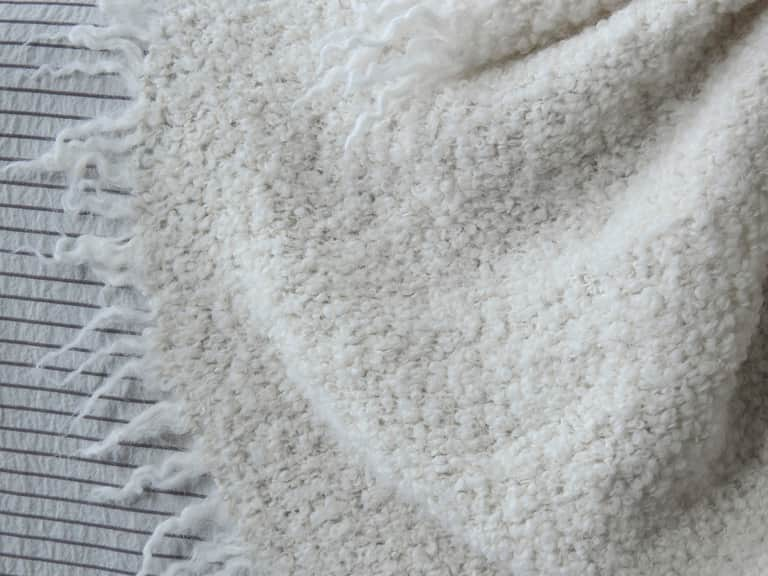
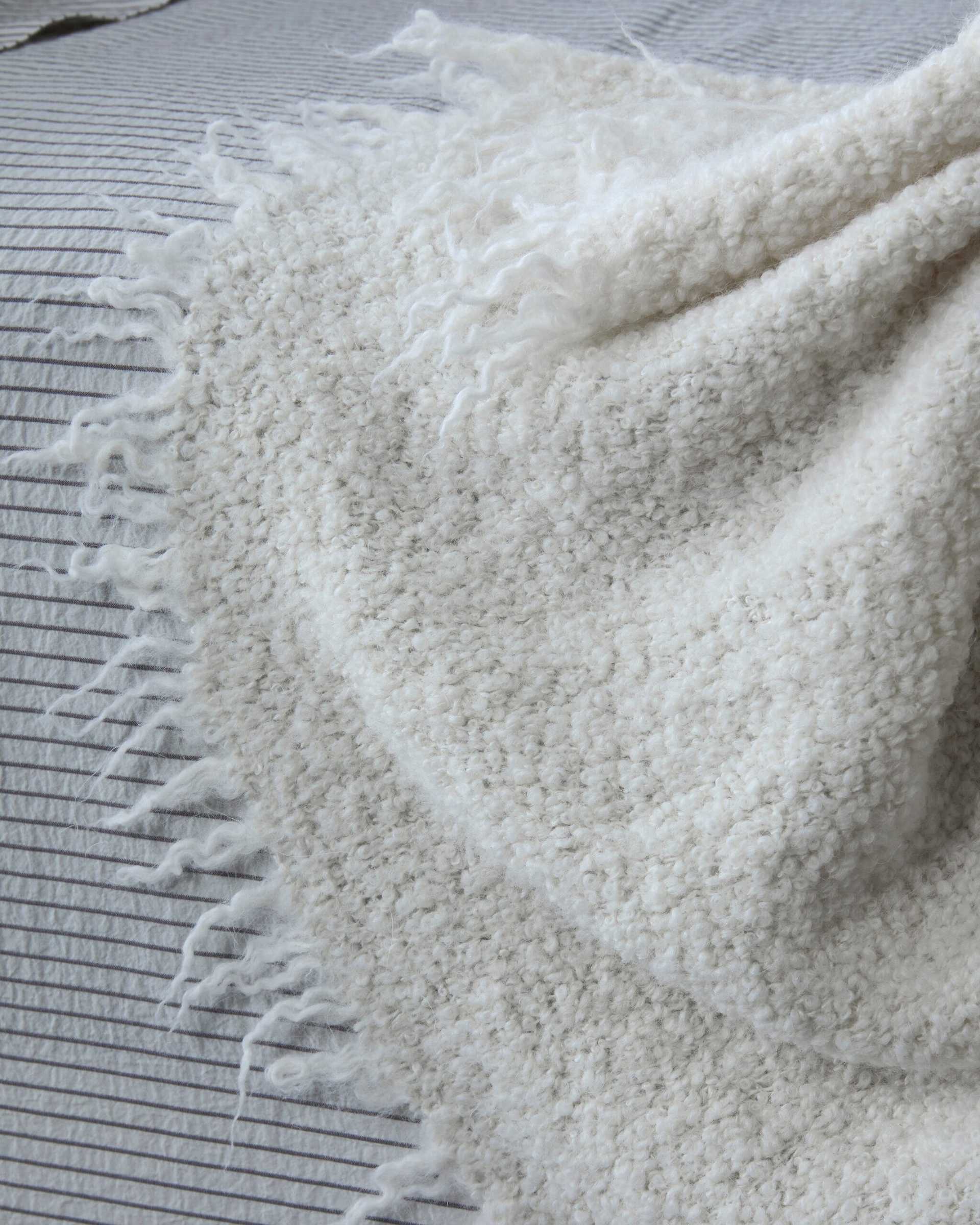
If honeycomb cotton feels airy and structured, brushed recycled cotton brings a softer, more lived-in note. Brushing changes the surface of the fabric, raising a fine nap that can make it feel gentler to the touch. The effect is more relaxed than a crisp, smooth finish and can lend a bed the cozy character of a favorite throw that has become part of everyday life.
In a layered bedroom, that difference is useful. A brushed blanket can sit over a smoother foundation and add a tactile contrast that is easy to appreciate without being showy. Its texture can also give a neutral room a little more depth. When recycled yarns have subtle tonal variation, the fabric may feel visually rich even when the color palette stays restrained.
Think about proportion as well as texture. A more substantial-looking layer can anchor the bed when it is folded neatly across the lower third, while a lighter honeycomb blanket might be draped more loosely or kept within reach. The two approaches create different moods: one looks tidy and tailored; the other feels easygoing and ready for a quiet evening.
Recycled fibers can make a textile’s material story more complex, but labels deserve a careful read. Fiber percentages, production details, and care directions vary by item. Rather than assuming that every recycled-cotton fabric behaves identically, use the specific product information to understand what it contains and how it should be maintained. That small check helps match expectations to the actual blanket.
Build layers with purpose—not just volume
Layering is sometimes mistaken for adding as many blankets as possible. In practice, the most comfortable arrangement is often a simple one: a breathable base, a versatile middle layer, and an optional warmer piece for colder nights. Each layer should earn its place by adding something useful, whether that is softness, warmth, texture, or an easy way to adjust to the room.
Begin with the sleep surface you already enjoy. If your sheets feel crisp and smooth, a textured blanket can add contrast. If the duvet cover is already tactile or patterned, a quieter cotton layer may help the overall bed feel balanced. A honeycomb weave can bring structure; brushed recycled cotton can bring a softer finish. The best combination is the one that feels comfortable to touch and does not overwhelm the room.
Weight deserves attention, too. A blanket’s visual thickness does not always tell you how warm it will feel, and a fabric’s weave can influence its sense of lightness. If you tend to feel warm at night, start with fewer layers and keep an extra blanket folded nearby. If the bedroom gets chilly, place a more substantial layer over the duvet or sheet and adjust as the season changes. This kind of flexible setup is often more useful than choosing one arrangement and leaving it untouched all year.
Consider how the bed is used during the day. A blanket folded at the foot can serve as a decorative accent and an accessible layer for reading or relaxing. A lighter blanket spread across the bed may help the room feel finished without hiding the texture of the sheets. These small decisions shape the bedroom’s atmosphere, but they also make the textiles easier to reach and enjoy.
A simple guide to balancing texture
When several natural fabrics share a bed, contrast can be more effective than perfect matching. Pair a defined weave with a smoother surface, or let a softly brushed finish sit alongside crisp cotton. A mix of textures gives the eye somewhere to land and helps neutral colors feel layered rather than flat.
- Choose one texture to lead. Let a honeycomb blanket or a brushed coverlet be the most noticeable surface, then keep nearby layers quieter.
- Repeat color, not necessarily pattern. A shared family of warm whites, earthy neutrals, or muted shades can make different weaves feel connected.
- Vary the finish. Combining smooth, raised, and softly brushed surfaces adds character without relying on a busy print.
- Leave room for the fabric to show. A blanket folded simply can reveal its weave more clearly than a complicated arrangement.
- Make comfort the final test. A beautiful combination is only successful if the layers feel pleasant and work for the way you sleep.
Those guidelines are starting points, not rules. A room with a strong pattern can still feel cohesive if the colors relate, while a monochrome bed can feel lively through its changes in texture. The goal is a combination that feels intentional but not overly arranged—one that invites you to pull back the covers, settle in, and use the bed as a real part of daily life.
Care is part of the comfort story
A textile’s care routine affects how easily it fits into everyday life. Before laundering a new blanket, check its individual care label rather than relying on assumptions about cotton or recycled fibers. Construction, finishing, and the maker’s recommendations can all influence the best approach. Some bedding can be machine washed; other pieces may call for gentler handling or specific drying instructions.
For washable items, following the stated water temperature and cycle guidance can help preserve the fabric’s appearance and feel. Avoid treating every blanket as though it can tolerate the same process. High heat, overly vigorous washing, or an unsuitable detergent may affect texture, size, or finish. If the instructions call for low-temperature drying or prompt removal from the machine, those details are worth following.
Simple habits can reduce unnecessary laundering. Airing a blanket between uses, keeping it away from spills, and rotating layers can help bedding stay fresh. When a mark appears, consult the care directions before applying a spot treatment; a remedy suitable for one finish may not be appropriate for another. For any textile that is especially delicate or difficult to replace, a cautious approach is better than an improvised cleaning experiment.
Care is also a useful part of choosing. A blanket that feels wonderful but requires more attention may still be the right choice, especially if it is used as an occasional top layer. For a textile that will be washed frequently, look closely at the instructions and decide whether they suit your household’s routine. The best bedding is not only pleasing on the first night—it is bedding you can comfortably live with.
Let the room change with the season
One of the pleasures of a layered bed is that it can evolve without a complete makeover. In warmer months, a lighter cotton blanket may be all that is needed. When evenings grow cooler, a brushed layer can add a softer surface and a little more perceived coziness. The transition can be as simple as changing which blanket sits on top or moving an extra layer from a closet to the foot of the bed.
This seasonal approach is practical, but it also keeps a bedroom feeling fresh. A honeycomb weave can look especially appealing when the bed is kept light and open, while a brushed recycled-cotton blanket can give the room a more enveloping feel as the weather turns. There is no need to replace everything at once. A small adjustment in texture or placement can change the mood of the whole bed.
Color can shift the feeling, too. Pale tones often make a room feel airy, while deeper shades and tonal variation can bring visual warmth. If you prefer a neutral palette, the surface itself can do much of the work. A raised weave, a soft nap, or a subtle difference in yarn color adds dimension without asking the room to become more colorful than you want it to be.
A more thoughtful way to choose bedding
Organic fibers are often discussed through sourcing and certification, while recycled fibers invite questions about material reuse. Those details can be important, but they are only part of the decision. The feel of the textile, its construction, its care requirements, and how long it is likely to suit your needs all matter when choosing bedding for a real home.
When evaluating a blanket, read beyond the color name. Look at the fiber composition, weight if it is provided, construction, origin, and care instructions. Certifications can offer useful information about standards, but it is sensible to check what a particular certification covers and whether it applies to the fiber, processing, or finished textile. Clear product details help you make a choice based on more than a general impression.
It can help to think in terms of use rather than simply asking whether one blanket is “best.” A breathable layer for mild weather has a different role from a soft, substantial blanket for cool evenings. A textured coverlet may be chosen for its appearance as much as its warmth, while a washable blanket may be especially attractive in a busy household. Once the purpose is clear, comparisons become more meaningful.
The finishing touch is how it feels to live with
The most inviting bedroom is not necessarily the one with the most layers or the most carefully matched set. It is the one that makes comfort feel effortless. A cotton honeycomb weave can provide a touch of texture and breathability; brushed recycled cotton can offer a softer, more relaxed note. Together, different constructions can create a bed that looks considered while remaining flexible enough for everyday use.
That is the appeal of building a bedroom one useful layer at a time. You can begin with what you already own, add a textile with a different feel, and let the arrangement change as the weather and your preferences shift. Pay attention to the hand of the fabric, how it drapes, how it should be cared for, and whether it answers a real need in the room.
When those details come together, a layered bed feels less like a styling exercise and more like a small daily luxury. The textures are there to be touched, the extra blanket is ready when the night turns cool, and the room feels welcoming without trying too hard. That balance—considered, comfortable, and easy to live with—is what makes organic fibers and thoughtful textile construction shine.