Sleep comfort, explained
Latex Mattress Toppers: Choosing the Right Height and Firmness
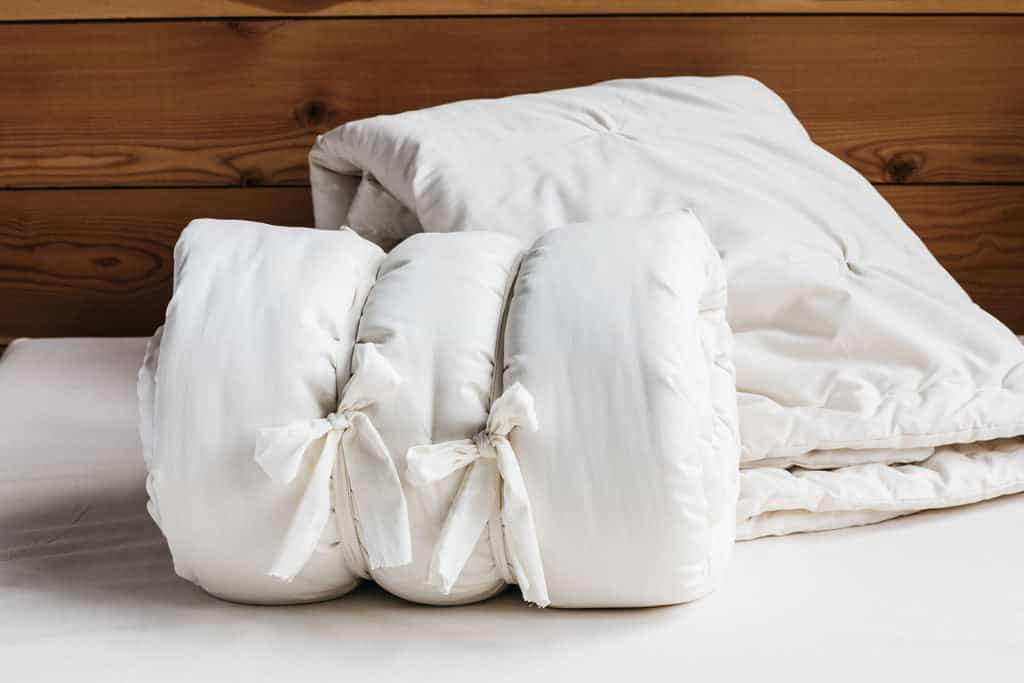
A latex mattress topper can give a bed a softer welcome, a steadier feel, or a little extra cushioning—without the commitment of replacing the mattress. The trick is choosing height and firmness together, then matching both to how you sleep and what your existing bed can still do.
Published November 9, 2026
A bed can feel almost right and still leave you fidgeting. Maybe your shoulder presses into a surface that feels too firm, or your hips seem to sink more than the rest of you. Perhaps the mattress is in decent shape but has lost the cushioned, welcoming feel you remember. A latex mattress topper may help refine that surface, adding a layer between you and the mattress below.
But a topper is not a magic reset button. Its height affects how dramatic the change feels, and its firmness influences how much your body settles into it. Those details matter differently for a side sleeper than for a back sleeper, and differently again if the mattress underneath is already sagging. A little planning can make the difference between a subtle comfort upgrade and a costly layer that never feels quite right.
Here’s how to think through topper height, firmness, sleeping position, pressure relief, and the condition of your mattress before choosing.
First, decide what you want to change
Before comparing specifications, name the problem you’re trying to solve. “I want a better bed” is understandable, but it is too broad to guide a useful choice. Try to describe the sensation instead: too firm at the shoulder, too soft beneath the hips, not enough cushioning, or simply a surface that feels tired.
A topper is most likely to help when the mattress is structurally sound but its surface comfort is not quite right. If you want a gentler first impression, a softer topper may add cushioning. If you prefer a more buoyant, stable feel, a firmer option may change the surface without inviting as much sink. If you are mostly comfortable but want a more noticeable layer between you and the mattress, added height may be part of the answer.
That distinction is important: height and firmness are related, but they are not interchangeable. A thicker topper often makes the change more perceptible, yet a tall, firm topper can still feel supportive rather than plush. A thinner, soft topper may feel yielding, but it may not provide enough material to noticeably alter a mattress that feels especially hard.
Keep expectations realistic, too. A topper can modify the feel of the sleep surface; it cannot repair broken support layers, reverse deep body impressions, or reliably correct a mattress that has lost its shape. Think of it as a finishing layer, not a full mattress renovation.
What latex brings to a topper
Latex is valued in bedding for its resilient, buoyant feel. Rather than behaving exactly like a slow-sinking material, it tends to respond more readily as you move. Depending on its construction and firmness, a latex topper may feel gently cushioning while still giving the body a sense of lift.
That response is one reason latex appeals to people who want pressure relief without feeling deeply enveloped. It can soften the contact points between the body and mattress while making it easier to shift position. But the word “latex” alone does not tell you whether a particular topper will feel soft, firm, springy, or substantial. Firmness, height, density, and construction all shape the experience.
There is no universally best latex mattress topper. The best fit is the one that changes the particular part of the bed you want to improve while remaining comfortable in your usual sleeping position. Your preferences, body shape, and mattress condition are more useful guides than a claim that one specification suits everyone.
How topper height changes the feel
Height—often described as thickness—is a practical clue to how much material sits between your body and the mattress. A lower-profile topper usually makes a more restrained adjustment. A taller one can feel more substantial and create a more obvious change in cushioning and contour.
That does not mean “taller is better.” A more pronounced layer can change the way the whole bed feels, including how deeply you settle and how easily you move. It may also affect the fit of fitted sheets, so check pocket depth before buying. If you share a bed, remember that a more noticeable change may be felt on both sides when the topper spans the full mattress.
For a mattress that is already comfortable but slightly too firm, a modest height may be enough to take the edge off. If the surface feels distinctly hard and you want a bigger shift, a taller topper may offer more opportunity for cushioning. The right choice still depends on firmness: height by itself does not guarantee softness.
Consider the bed as a whole. A soft, tall topper placed on an already yielding mattress could feel less stable than you want. A firm, substantial layer on a supportive mattress may add a noticeably different surface without producing the plush effect you expected. In other words, the topper and mattress work as a team. It’s the combination that matters.
- For a subtle adjustment: Consider a lower-profile option if you mostly like your mattress and want only a modest surface change.
- For more cushioning: A taller layer may make the topper’s feel more noticeable, especially when the mattress is firm and otherwise supportive.
- For a more stable surface: Pair the height you need with a firmness that does not let you sink farther than feels comfortable.
- For sheet fit: Measure the mattress and account for the topper when checking fitted-sheet depth.
Firmness: the feel beneath the label
Firmness describes how a topper feels under load: whether it yields readily or pushes back more strongly. Labels such as soft, medium, and firm are useful starting points, but they are not perfectly standardized across makers. One company’s “medium” may not match another’s, and a topper can feel different once it is paired with a particular mattress.
A softer topper is often considered when the surface feels harsh or pressure builds at prominent contact points. It can provide a more forgiving first layer, though softness is not automatically the same as good support. If the body sinks unevenly, or if the mattress below has a dip, adding a soft layer may make the underlying problem more noticeable rather than resolving it.
A firmer topper may suit someone who wants a more resilient, less yielding feel. It can change the surface impression, but it cannot turn a worn or sagging mattress into a supportive one. Firmness is a comfort preference as well as a practical choice; the goal is not to select the firmest option available, but to find a surface that feels balanced for you.
When possible, compare detailed descriptions, return terms, and trial arrangements rather than relying on a single firmness word. If you can test a sample or try the topper during a return period, pay attention to how it feels after a full night—not just during a brief press with your hand.
Match the topper to your sleeping position
Sleeping position influences where your body meets the bed and where you may notice pressure or a lack of support. It is a useful starting point, not a strict rulebook. People change positions during the night, and comfort also depends on body proportions, personal preference, and the mattress underneath.
Side sleepers
Side sleeping concentrates contact around areas such as the shoulder and hip. If the mattress feels too firm in those spots, a softer or more generously cushioned topper may help create a gentler surface. But there is a balancing act: the shoulder and hip need room to settle while the rest of the body remains comfortably supported. Too much sink can feel just as unwelcome as too little.
Back sleepers
Back sleepers often look for a surface that feels even and supportive while still offering enough cushioning to avoid a hard, flat sensation. A medium-feeling option may be a reasonable place to begin, but the mattress underneath matters. If it already allows substantial sink, adding a soft topper could make the bed feel overly yielding. If it is firm and sound, a little extra cushioning may be welcome.
Stomach sleepers
Stomach sleepers may be especially sensitive to excessive softness because the torso can sink farther into a yielding surface. A firmer, lower-profile topper may be worth considering if the mattress is basically supportive but feels slightly too hard. If the bed already dips, a topper is unlikely to solve the problem and may make the surface feel less stable.
Combination sleepers
If you move between positions, look for a feel that remains comfortable through those changes. A responsive surface may feel easier to move across than one that holds a deep impression. Think about the position you spend the most time in, but also notice whether a choice that feels great on your side becomes uncomfortable on your back or stomach.
Pressure relief without losing support
Pressure relief is often the reason people begin researching mattress toppers. When a surface is too firm for your body and sleeping position, certain areas may feel compressed or uncomfortable. A suitable topper can add a more forgiving layer at the surface, spreading contact in a way that feels gentler.
More cushioning, however, does not always mean better alignment or more comfort. The body still needs a stable base. A topper that lets you sink too far—or that sits over a mattress with deep sagging—may create an unbalanced feel. One useful test is to notice whether the surface feels comfortable across the whole body, rather than focusing only on one pressure point.
Pay attention to what happens after you have been in bed for a while. Does the shoulder feel less compressed, but the hips now sink too much? Can you change positions without effort? Does the surface feel consistently comfortable, or does it become troublesome as the night goes on? Those observations are more revealing than a quick showroom impression.
Comfort is personal and cannot be guaranteed by a material or specification. If discomfort is persistent or severe, a topper is not a substitute for appropriate professional advice. The purpose here is to help you refine a bed’s feel, not to diagnose or treat pain.
Check the mattress underneath before you choose
Before shopping, inspect your mattress honestly. Remove the bedding and look for visible dips, uneven areas, damaged edges, or sagging where you usually sleep. Also ask yourself whether the mattress feels supportive when you lie directly on it and whether the problem is limited to the surface.
If the mattress is worn out, has pronounced impressions, or no longer provides a stable base, a topper may offer only temporary or incomplete relief. Adding a new layer over a structural problem can disguise the signs without fixing the cause. In that situation, it may be more sensible to assess the mattress itself before spending money on an accessory.
If the support feels sound and the issue is a surface that is too hard, too flat, or not cushioned enough, a topper is a more logical experiment. That is its sweet spot: adjusting comfort on a bed that still has a dependable foundation.
A simple decision-making checklist
Use these questions to narrow the options without getting lost in specification charts:
- What feels wrong? Be specific: too hard, too yielding, not cushioned enough, or simply less comfortable than before.
- Is the mattress still supportive? A topper is best suited to a comfort adjustment, not a structural repair.
- Where do you need the change? Think about the contact points and positions that feel least comfortable.
- How noticeable should the change be? A lower profile may provide a subtler adjustment; more height can feel more substantial.
- How much sink do you prefer? Choose firmness based on your preferred balance of cushioning and resistance.
- Do you change positions? Consider whether the feel works across your usual movements, not just in one pose.
- Will your bedding still fit? Account for the topper’s height when checking fitted-sheet depth.
- What are the care and return details? Review the manufacturer’s guidance and the terms before purchasing.
Common mistakes to avoid
Choosing by height alone. Thickness can make a change more noticeable, but it does not tell you how soft or firm the topper will feel. Consider the two features together.
Assuming “firmer” means “more supportive.” A firm surface may be comfortable for one person and uncomfortable for another. Support also depends on how the topper interacts with the mattress and the sleeper’s body.
Trying to rescue a sagging mattress. A topper can adjust a surface; it cannot restore a mattress that has lost its structure. Address the base before adding another layer.
Ignoring sleeping position. The surface needs of a side sleeper may differ from those of a stomach sleeper. Use position as a guide, then consider your own comfort and the feel of the existing bed.
Expecting a brief test to tell the whole story. A quick press with a hand does not recreate a full night of sleep. Where possible, understand the trial and return policy before committing.
The bottom line
Choosing the right latex mattress topper starts with a clear goal. Height determines how substantial the adjustment may feel; firmness shapes how much you settle into the surface. Your sleeping position helps identify where cushioning or a steadier feel may matter most, while the condition of the mattress determines whether a topper is likely to help at all.
If your mattress remains supportive but feels slightly too firm or lacks the surface comfort you want, a carefully chosen topper can be a practical way to fine-tune the bed. If it is sagging or worn, look beyond the topper aisle. The right choice is not the tallest or softest option by default—it is the one that complements your mattress and makes your own bed feel more comfortable, night after night.