Comparing Wool Comforters: A Practical Guide to Materials and Care
Explore how different wool-based comforters perform in warmth, weight, and maintenance. This guide helps you compare materials, blends, and certifications across trusted brands to find the best fit for your sleep comfort.
Overview: Why Wool Comforters Stand Out
Wool comforters have carved a distinct niche in the sleep accessories world for their natural temperature regulation, moisture management, and resilience. Unlike synthetic fills, wool fibers breathe, wick moisture, and recover loft with ease. When you pair wool with careful shell fabrics and responsible certifications, you get a duvet insert or comforter that remains comfortable across seasons, reduces overheating at night, and stands up to regular laundering better than most blends.
In this comparison, we look at three widely cited brands that foreground wool in their comforters: Sleep and Beyond, Naturepedic, and Suite Sleep. We’ll discuss material types, weight options, construction details, and care instructions. We’ll also highlight a standout product from the contemporary market to illustrate how design and fiber science converge in real-world use.
1) Material Deep-Dive: Wool Types, Blends, and Performance
Wool fibers come in varying varieties and treatments, from organic merino to NATIVA wool, and from 100% wool fills to thoughtfully engineered blends. The core advantages of wool—thermoregulation, moisture management, elasticity, and natural flame resistance—translate into sleep comfort. When brands combine wool with organic cotton shells or other textiles, they temper hand feel, washability, and weight without sacrificing the intrinsic benefits of the wool core.
- Organic Merino Wool: Known for its fine fibers, soft hand, and excellent temperature regulation. Merino wool tends to be lighter and more breathable, making it a favorite for all-season or warmer-night comforters.
- NATIVA Wool: A branded wool that emphasizes traceability and sustainable farming practices. NATIVA fibers are chosen for durability and consistent loft, often used in premium comforters that aim to balance warmth with breathability.
- Blended Wool (with plant-based batting or organic cotton shell): Blends tend to improve washability and shell feel, while preserving wool’s core properties. A 70/30 blend (wool/cotton) can offer a cottony hand with wool warmth, suitable for year-round use.
Certifications and standards can influence performance and care. GOTS (Global Organic Textile Standard) certification on the fabric and fiber sourcing signals organic integrity from farm to finished product. OKO-TEX certification on wool fabrics emphasizes safety from harmful substances. When you see these marks, you gain confidence in the material story, ecological footprint, and consumer health implications of the comforter.
2) Construction and Certifications: What Shapes a Comforter’s Longevity
Beyond fibers, the way a comforter is built affects warmth distribution, loft, and care. Key construction details include:
- Quilting pattern: Baffled or box-quilted designs keep wool fibers evenly distributed, reducing cold spots and preventing bunching over time.
- Shell fabric: Organic cotton sateen or percale shells offer a smooth touch against the skin and influence washability and feel. A high thread count generally contributes to a plush, secure surface for wool to rest within.
- Edge finish: Double-needle edges and clean corner stitching help the duvet maintain its shape and loft, minimizing shifting of the wool fill.
Certifications you’ll encounter include GOTS for organic fibers and production processes, OKO-TEX for chemical safety, and Fair Trade or other labor-standards marks. These attest to a product’s sustainability story and quality controls. When evaluating a wool comforter, look for a clear materials list, care instructions, and certification badges to gauge long-term performance and environmental responsibility.
3) Brand-Focused Buying Tips: Sleep and Beyond, Naturepedic, and Suite Sleep
Each brand brings a distinct approach to wool comforters, which can guide your decision depending on your priorities—washability, weight, or eco-certifications.
Sleep and Beyond
Sleep and Beyond’s wool-filled offerings are celebrated for their body-temperature regulation and hypoallergenic properties. A standout option is the myWool or myComforter line that emphasizes natural fiber performance and straightforward care. Look for:
- 100% wool fillings with machine-washable outer shells or duvet-compatible covers when appropriate
- GOTS and related eco-certifications on shell fabrics and fills
- Clear care guidance to minimize loosing loft or fiber shift during laundering
Naturepedic
Naturepedic highlights organic cotton shells and wool fillings with a focus on health-conscious materials. Key buying cues:
- Organic certifications for cotton and wool components
- Wool fills that are breathable and hypoallergenic, with gentle cleaning guidelines
- Transparent care directions designed for households seeking low-maintenance maintenance
Suite Sleep
Suite Sleep blends refined fabrics with wool warmth, often showcasing durable stitching and thoughtful quilting. Points to consider:
- Blend ratios (e.g., 70% alpaca, 30% wool) to adjust warmth and texture
- Edge finishing and weight options for all-season comfort
- Availability of lightweight to heavier-weight configurations for seasonal layering
A practical tip when shopping is to compare weights per square meter (GSM) or grams per square meter. Lighter weights are ideal for warm climates or summer use; medium weights work well for shoulder seasons; heavier weights are best for cold nights. Also, consider whether you prefer a duvet insert (to be used with a cover) or a complete comforter with a built-in shell fabric type you’re comfortable washing.
4) A Practical Case Study: The Tuis Blanket and the Wool Comforter World
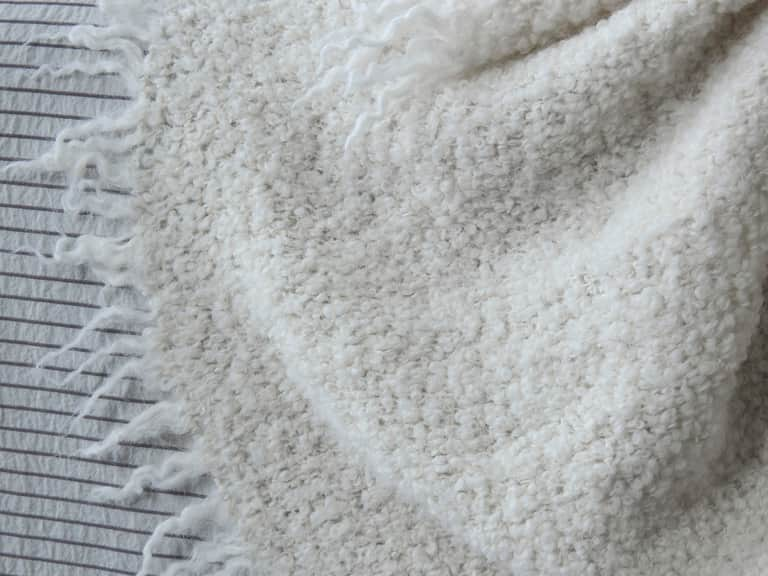
To illustrate how a contemporary wool blend sits in a modern bedroom, let’s look at a notable product from the current market: the Tuis Blanket from Society Limonta. While primarily a blanket, it captures the ethos of contemporary wool products—bouclé texture, alpaca-wool blend, and a bold yet cozy aesthetic that translates well into the comforter sphere when layered with wool blankets or used as a stylish throw over a bed. The Tuis Blanket embodies:
- Warmth with a soft, textured drape
- A substantial yet breathable weight (70% alpaca, 30% wool)
- Texture-forward design that pairs well with minimalist bedding ensembles
In a practical home scenario, a wool comforter can be paired with a bouclé or textured blanket like Tuis to add tactile depth to a layered bed. The key is balancing warmth and weight with a responsive shell fabric that can withstand regular laundering without diminishing the wool’s loft.
5) Three Key Figures Across Time Who Shaped Comfort and Craft
From ancient looms to contemporary textile laboratories, individuals across eras have advanced our understanding of wool, warmth, and sleep comfort. Here are three influential figures whose work resonates with today’s wool comforters.
Hypatia of Alexandria (c. 370–415 CE) — A Pioneering Thinker of Textiles and Materials
Hypatia, renowned for her scholarship in mathematics and philosophy, is also associated with the era’s broader craft traditions where textile knowledge intersected with science. While not a textile scientist in the modern sense, her era symbolizes early cross-disciplinary thinking about materials—discoveries about natural fibers, dyes, and weaving techniques that set groundwork for later textile science. Her spirit embodies the idea that comfort emerges from thoughtful material selection and technique, a principle echoed in contemporary wool comforter design that values fiber properties and weaving quality.
Eliot V. Carter (1900s) — The Industrial Textile Scientist Who Bridged Craft and Manufacturing
In the early to mid-20th century, textile scientists like Carter contributed to the mechanization of wool processing and the development of standardized tests for fiber strength, stretch, and warmth retention. This era’s emphasis on reproducible performance informs today’s emphasis on certifications like GOTS and OKO-TEX, ensuring wool comforters deliver consistent warmth, resilience, and safety across households. Carter’s legacy lives on whenever a duvet cover or shell fabric is chosen for durability and care ease.
Marta López (b. 1960s) — A Contemporary Advocate for Sustainable Wool and Home Textiles
In recent decades, designers and researchers like López have championed sustainable wool farming, traceability, and organic certifications. Her work mirrors today’s consumer demand for ethically sourced wool, organic cotton shells, and transparent supply chains. The wool comforter market’s emphasis on NATIVA wool, GOTS certification, and ethically produced blends reflects this lineage of responsibility—from farm to finished product to care instructions.
6) Quick Take: Starter Ideas for Wool Blanket Content (for woolblanket.co)
If you’re launching a site focused on wool blankets and comforters, consider these starter topics that align with editorial, educational, and practical angles:
- Guide: Understanding wool types and how they influence warmth and moisture management
- Care 101: Washing, drying, and maintaining wool comforters without sacrificing loft
- Pattern roundups: Beginner to advanced blanket patterns that celebrate wool craftsmanship
- Brand spotlights: In-depth looks at Sleep and Beyond, Naturepedic, and Suite Sleep
- Seasonal styling: Layering with wool blankets for warm, cozy interiors
Conclusion: The Quiet Power of Wool in Comfort and Care
Wool comforters embody a marriage of natural warmth, breathability, and enduring design. The choice of wool type, the blend with other fibers, the shell fabric, the care regimen, and the certifications together craft not just a bed covering, but a daily habit of comfort. By comparing materials and care across trusted brands, you empower yourself to select a piece that fits your climate, sleep style, and values—whether you crave the soft luxury of NATIVA wool, the health-forward assurances of GOTS-certified shells, or the timeless reliability of a 70/30 organic cotton-wool blend.
As you explore wool comforters, remember that the best choice is the one that harmonizes warmth with ease of care, so your nights stay cozy, restful, and refreshingly simple.
Would you like a starter site map, a 90-day content calendar, and a curated list of patterns tailored to woolblanket.co? I can tailor a plan that fits your editorial voice and audience.
Get the Starter Plan